
Pes Cavus (High-Arched Foot)
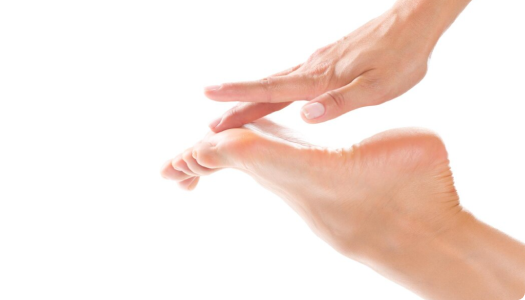
What is Pes Cavus (High-Arched Foot)?
Pes cavus is a condition in which the arch of the foot is abnormally high. This causes the middle part of the foot to make less contact with the ground, potentially leading to difficulties in walking and posture.
Symptoms
-
High Arch: An arch that is higher than normal in the foot.
-
Pain and Discomfort: Pain and discomfort in the foot, especially while walking.
-
Imbalance and Gait Changes: Difficulty maintaining balance and abnormal walking patterns.
-
Chronic Foot Problems: Corns, metatarsal pain, and deformities in the toes.
Causes
Pes cavus can result from various factors:
-
Genetic Factors: Family history of similar foot structure.
-
Neurological Conditions: Certain neurological disorders can lead to pes cavus.
-
Muscle Problems: Imbalances in the foot and leg muscles.
Diagnosis and Evaluation
-
Physical Examination: Detailed physical assessment of the foot structure.
-
Radiological Tests: Imaging methods such as X-ray, CT, or MRI to evaluate foot structure and arch height.
Treatment Methods
Conservative Treatment
-
Orthotic Insoles and Shoes: Special insoles and shoes to support the arch and distribute pressure.
-
Physiotherapy and Exercises: Specialized exercise programs to strengthen foot and leg muscles and correct imbalances.
Surgical Treatment
-
Surgical Interventions: In severe cases or when conservative treatments fail, surgery may be required to correct arch height and stabilize foot structure.
Prevention and Management
-
Regular Foot Care and Check-Ups: Routine foot care and podiatrist visits to maintain foot health and detect potential issues early.
-
Activity Modification: Adjusting daily activities and foot usage to reduce pain and discomfort.
If you are experiencing pes cavus issues and wish to receive a professional evaluation and treatment, you can contact our clinic. We offer the latest and most effective methods for treating pes cavus.